Fougito
info@fougito.com
Office No. 606, City Avenue, Port Saeed, Dubai, United Arab Emirates
Dubai, Dubai,
50819
United Arab Emirates

Food & Beverages
02 Feb 2026
Admin
At any point have you thought about what the actual taste of the United Arab Emirates is? Apart from the tall buildings, hotels and famous attractions, there's a great cuisine culture which carries the history of the country. What was the food consumption of the UAE before it was opened up to the world? What are the family recipes? So why are these recipes still favourites today?
The solution is right at everyone's Emirati dining table!
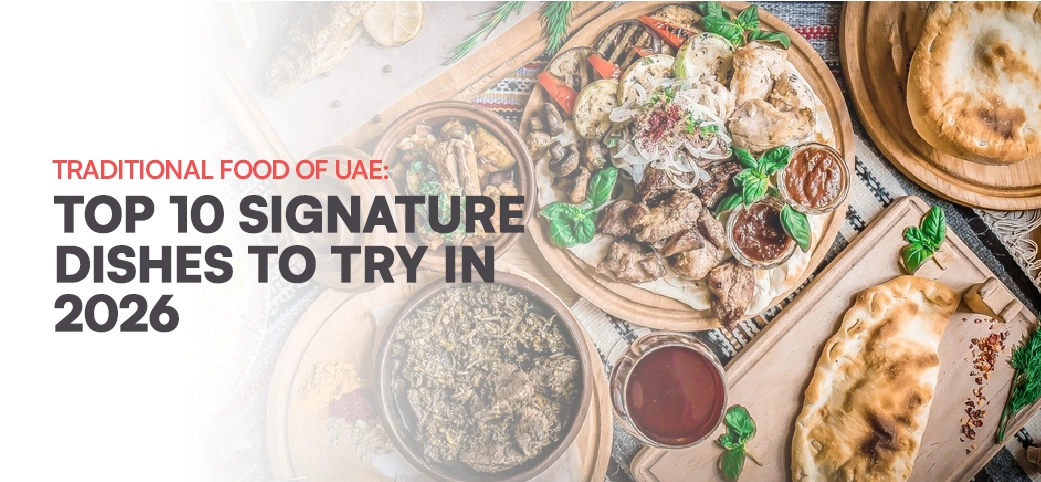
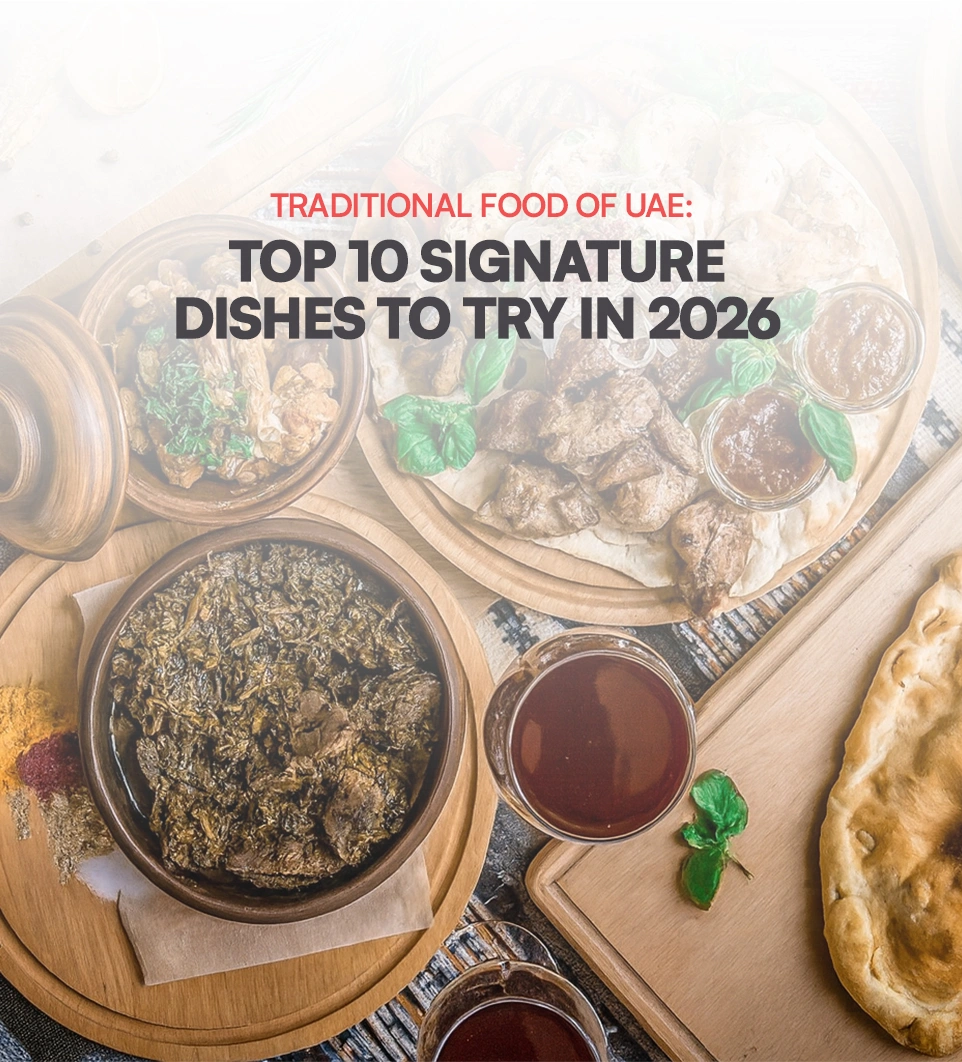
The Traditional Food of UAE is more than simply a cookbook. It is a testament to the country's history, hospitality, and culture. Coastal fishing communities and centuries of spice trading have shaped Emirati cuisine, where simple ingredients and bold flavors combine for a comforting and memorable experience.
There is also an increased desire to keep local food traditions in 2026. Dubai, Abu Dhabi, and the Northern Emirates, heritage restaurants and local chefs are making traditional dishes new for a new generation. A visit to the traditional food of UAE is one of the best ways to experience the country's culture.
Let's discover ten iconic dishes that showcase the true taste of the Emirates.
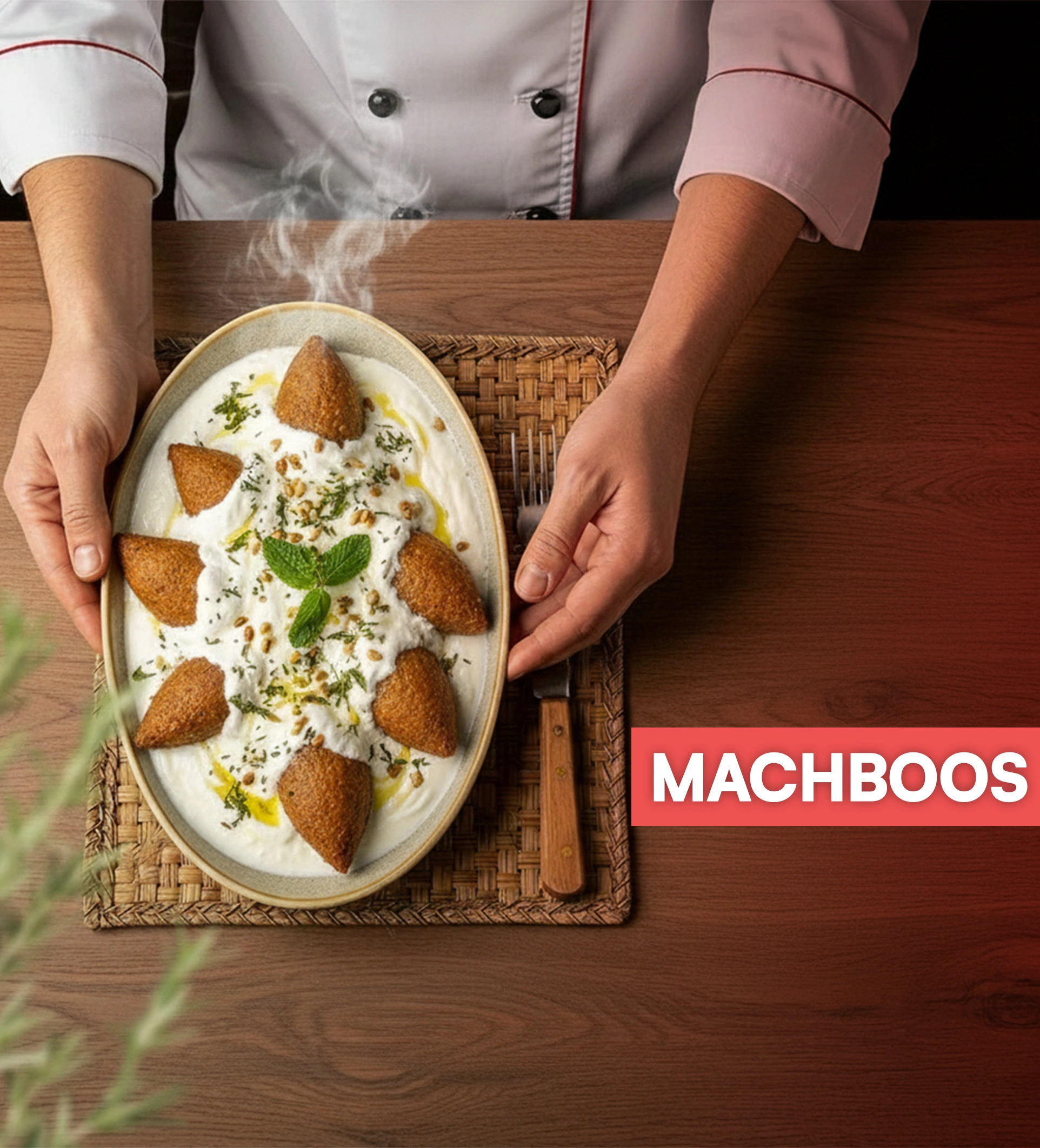
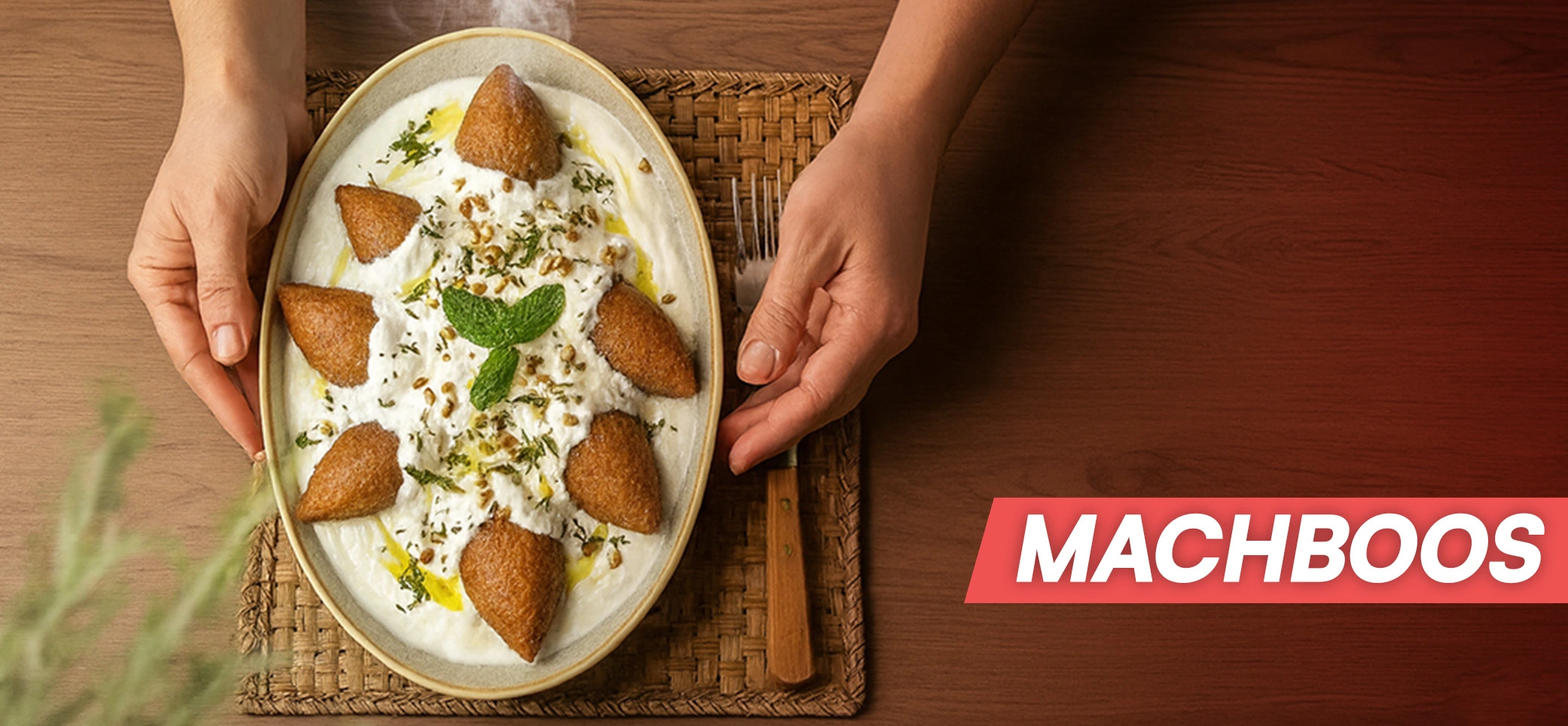
When people ask what is the traditional food of UAE, Machboos is often the first answer they hear.
This beloved rice dish is one of the most recognizable meals in Emirati cuisine. Similar in appearance to biryani but completely unique in flavor, Machboos combines fragrant rice with tender meat, chicken, fish, or shrimp. What makes it special is the blend of traditional spices that create its signature aroma and depth.
Machboos is a popular dish at weddings, family events, Ramadan and Eid celebrations. It helps to unite people at a common table and represents one of the most significant values of Emirati culture, which is hospitality.
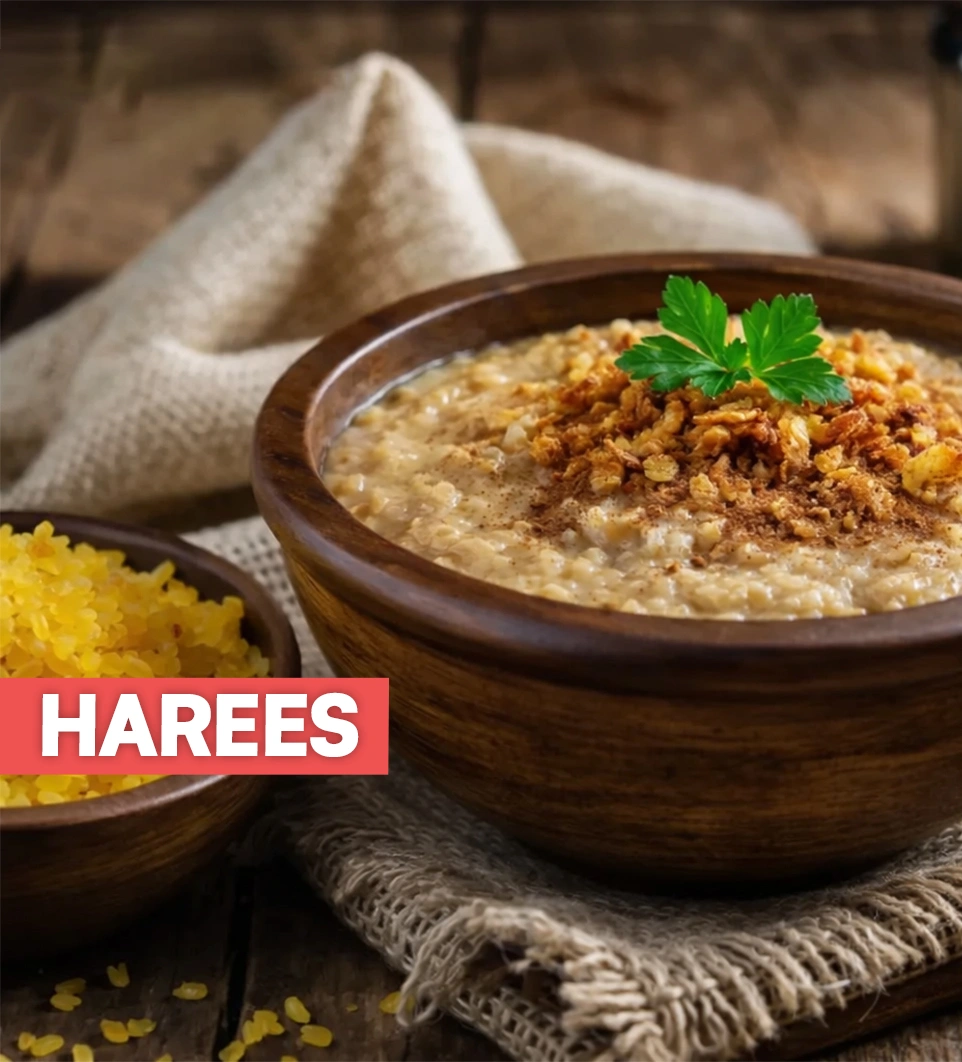
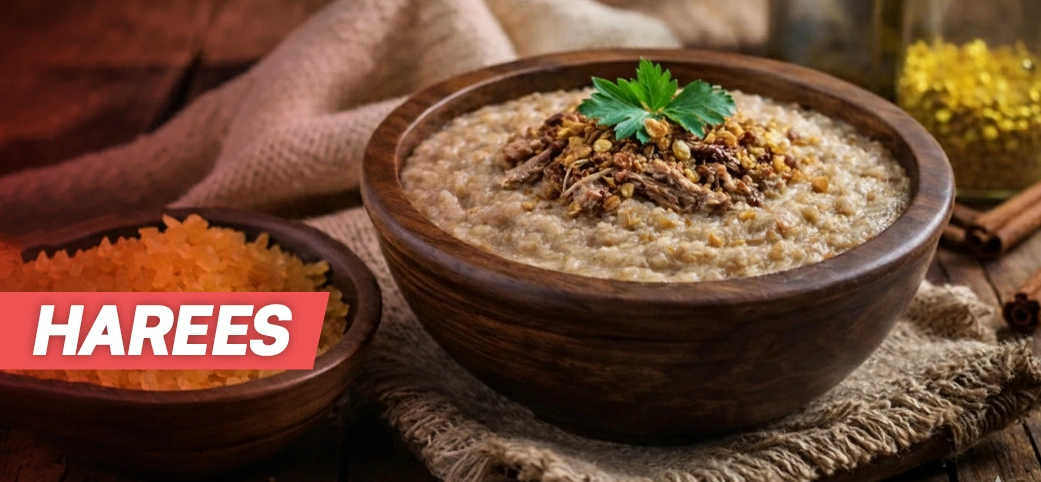
On the surface, Harees seem easy to understand. The dish is, however, very much symbolic and very much a part of the culture and is consumed at important events.
Made from cracked wheat and meat, Harees is cooked slowly for several hours until it develops a smooth and creamy texture. It takes time and attention to get right, which is why it's come to represent generosity and family values.
Traditionally, wheat is soaked and then cooked with chicken or lamb until both ingredients blend into a thick consistency. A drizzle of ghee on top adds richness and enhances the flavor.
Even in 2026, Harees remains one of the most respected dishes in Emirati homes because it represents togetherness and tradition.
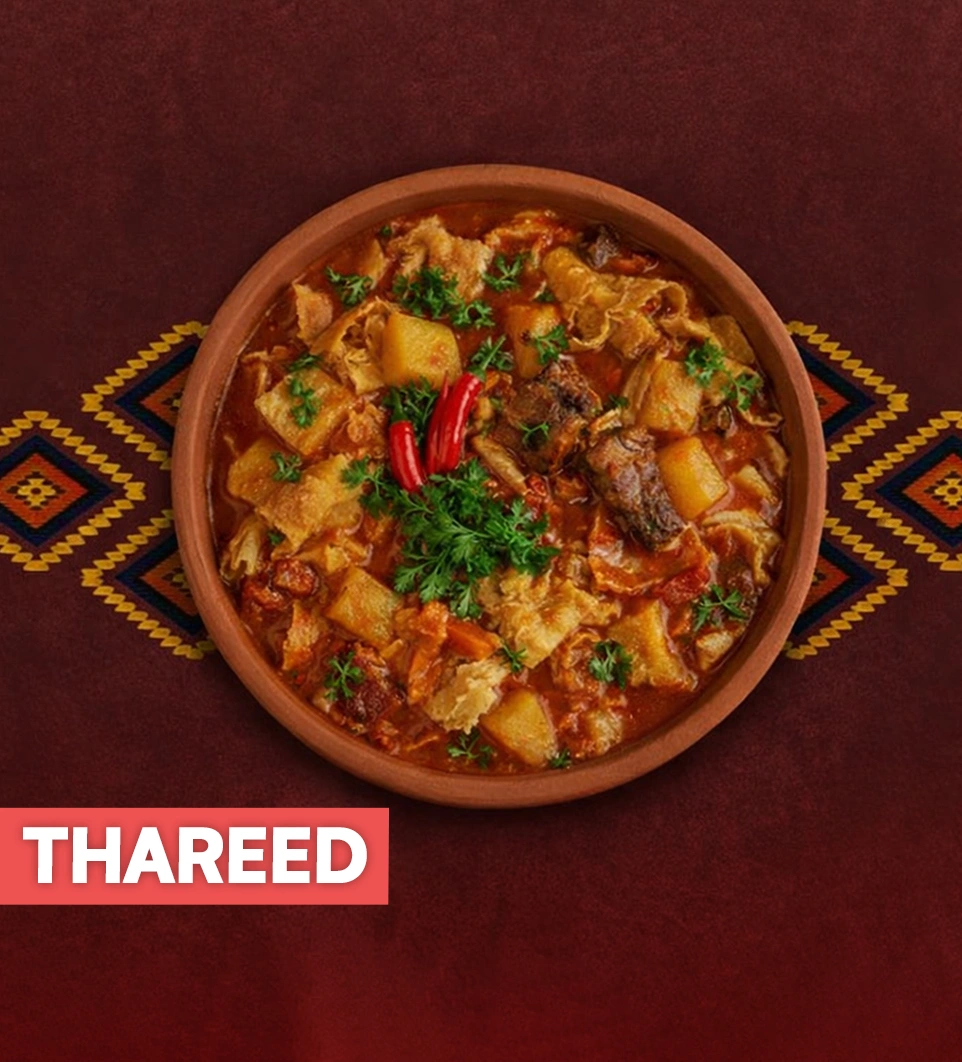
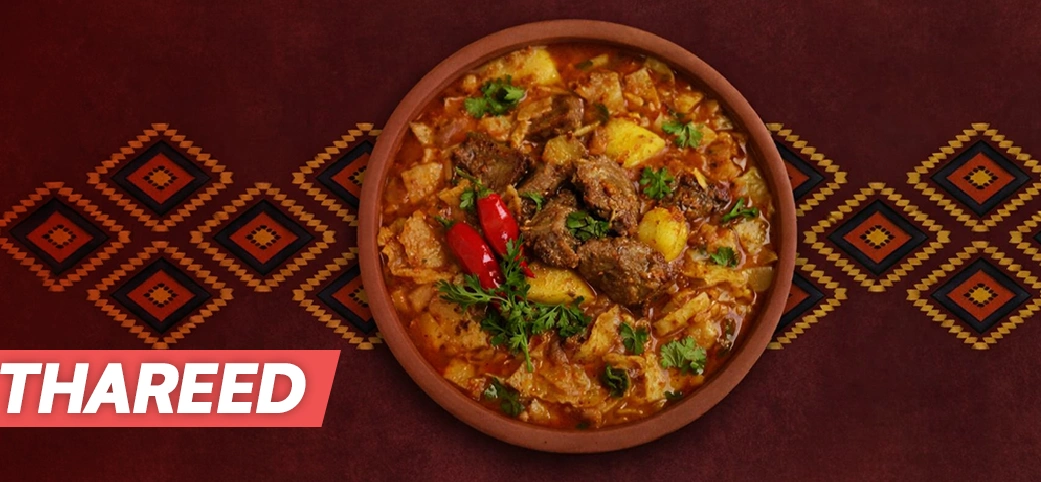
Known as one of the oldest dishes in the region, Thareed has been enjoyed across the Arabian Peninsula for centuries.
This hearty meal combines a flavorful meat and vegetable stew with thin Emirati bread called regag. As the bread absorbs the rich broth, it becomes soft and packed with flavor.
The stew usually consists of dairy product, such as chicken or lamb, as well as vegetables like potatoes, carrots, pumpkin, tomatoes and marrow. Slow cooking is great for blending spices and ingredients beautifully, resulting in a simple and comforting meal.
Many people consider Thareed one of the finest examples of the traditional food of UAE, thanks to its deep connection with local culture and history.
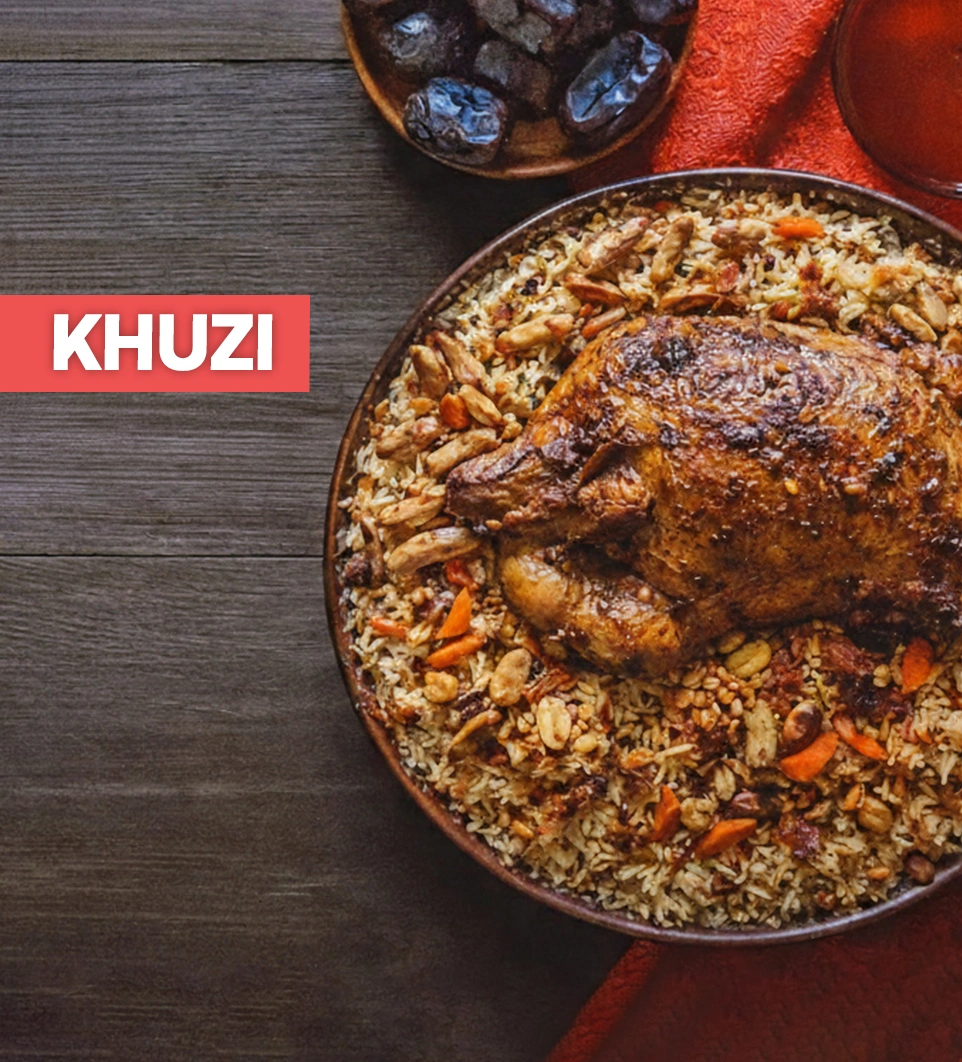
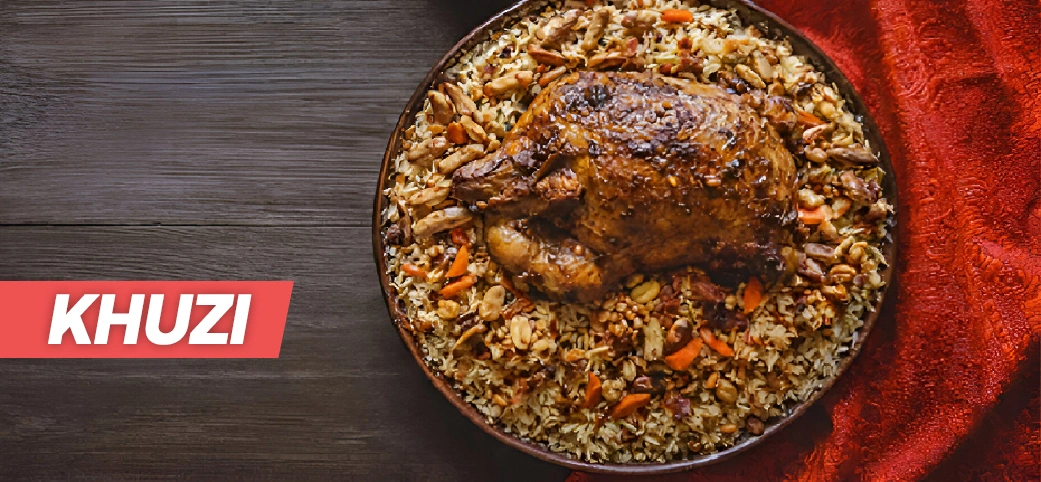
If there is one dish that represents celebration in the UAE, it is Khuzi.
Also known as Ouzi, this impressive meal features slow-roasted lamb served on a bed of fragrant rice. The rice is flavored with saffron, cinnamon, cardamom, and other aromatic spices before being topped with nuts and raisins.
The making of Khuzi is a labour of love. The lamb is marinated for hours before being roasted to become tender and juicy. The final presentation is one of the impressive part of wedding, Eid and national events too, as it is so amazing.
Khuzi is an expression of the generous spirit of Emiratis, ingrained in their culture. It is not only a meal but a symbol of abundance, hospitality and community.
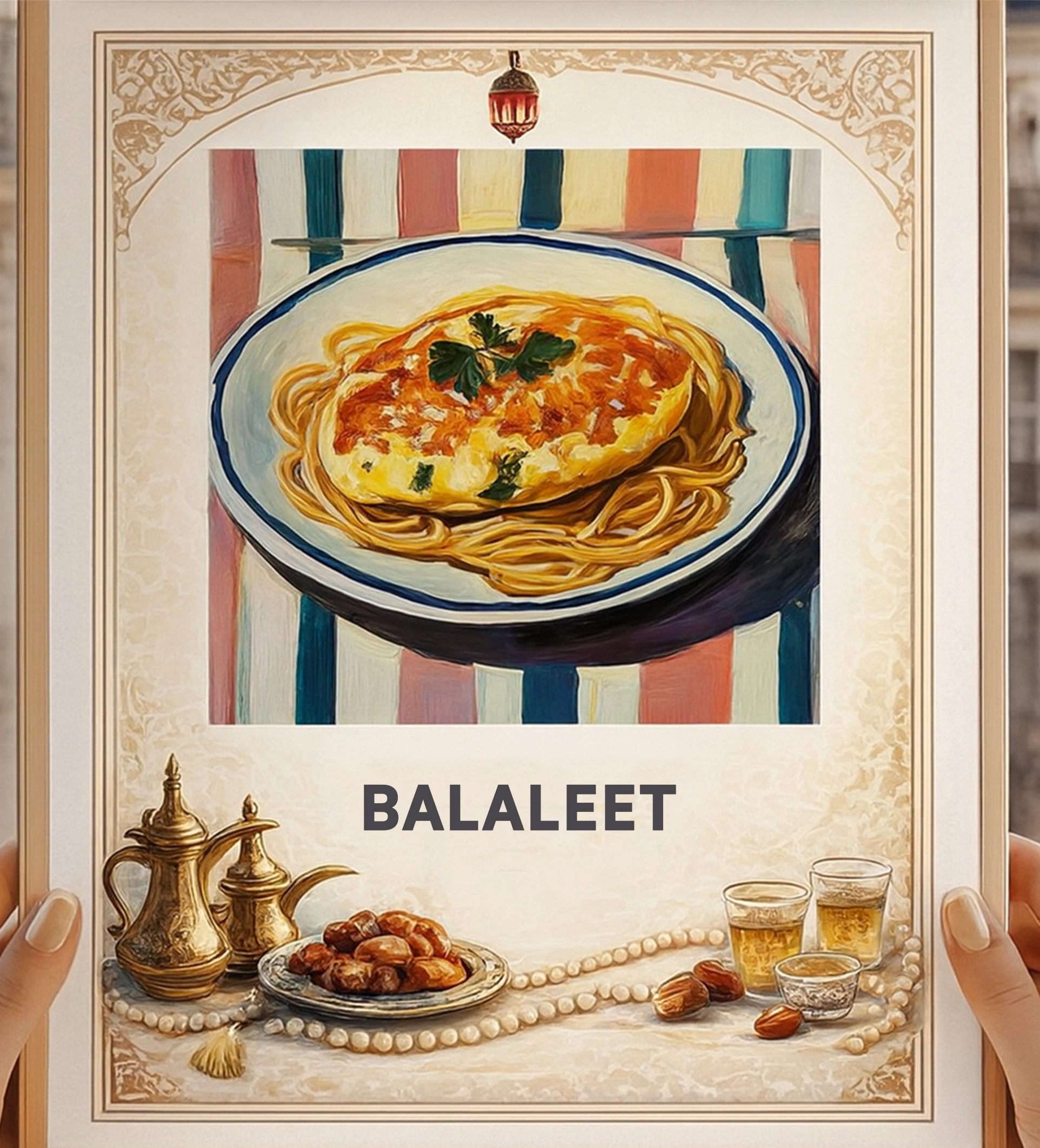
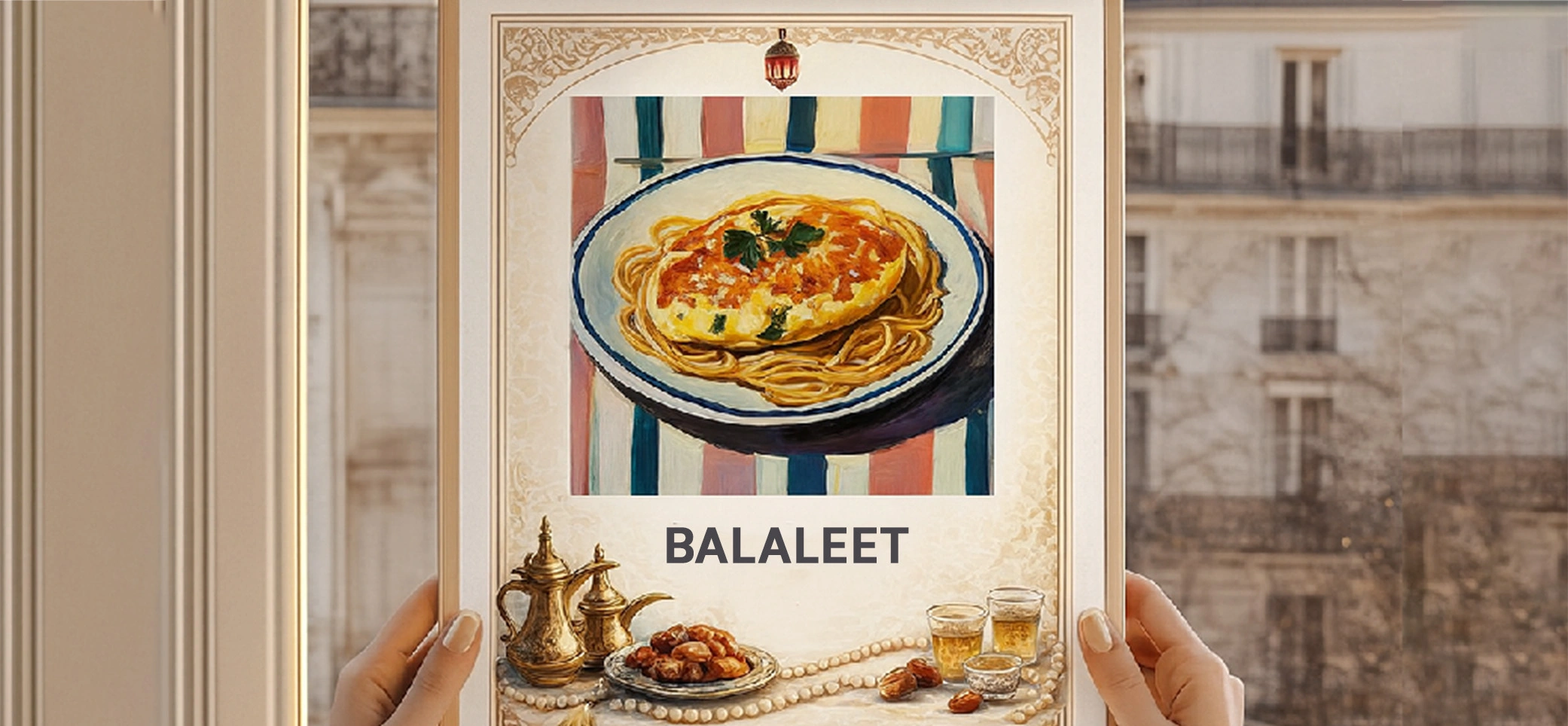
Balaleet is one of the most unique dishes you will find in Emirati cuisine.
This traditional breakfast combines sweet vermicelli noodles with a savory egg topping. While it may sound unusual to first-time visitors, the combination works beautifully.
The base of the noodles is sweet and fragrant due to the addition of saffron, cardamom, sugar and rose water. A thin omelette is then put on top, to provide balance and texture.
Balaleet is eaten during EID and family breakfasts in general. It is popular for its vibrant hues and unique taste, and a favorite among both residents and visitors for its taste and vibrant colors.
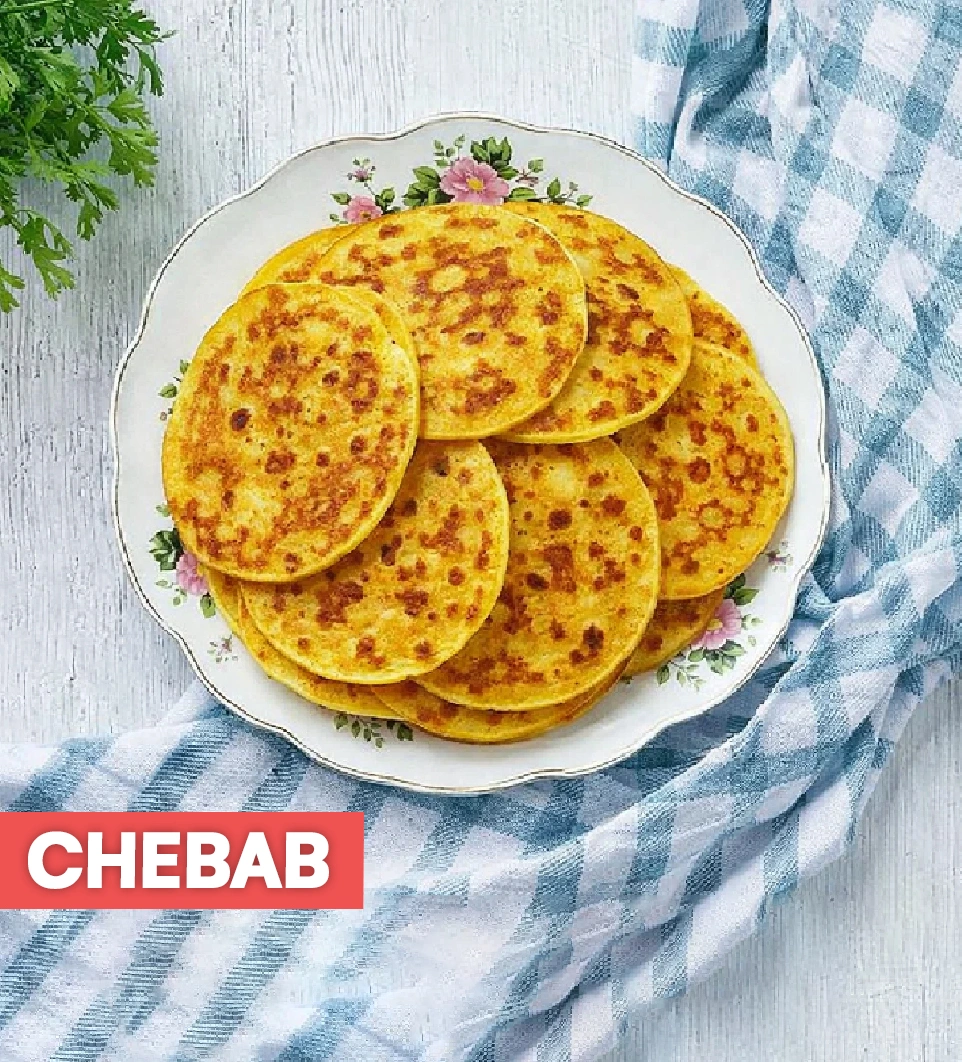
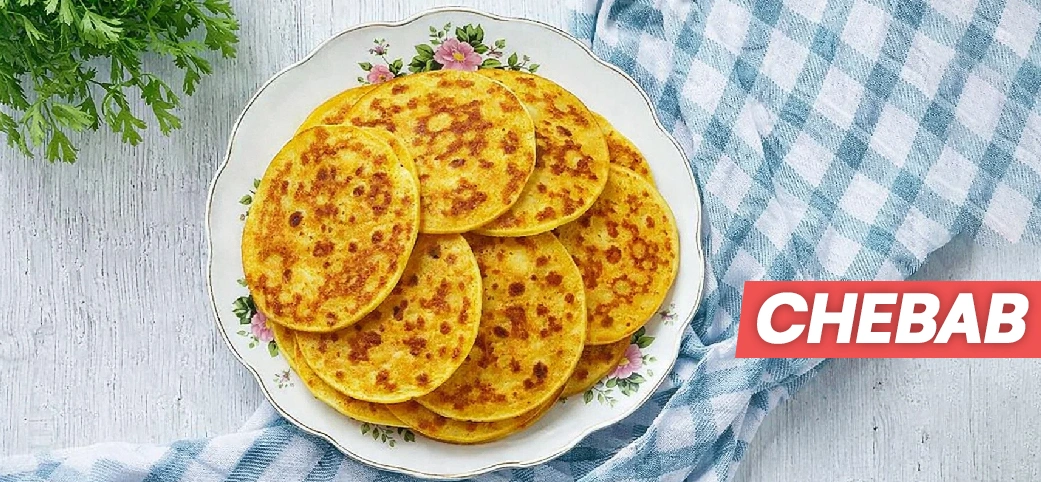
Chebab is made up of dough and filled with various ingredients, which are commonly found in the Emirati breakfast table.
Chebab is flavored with saffron, cardamom and occasionally fennel seeds, which adds a distinctive flavor and aroma, unlike common pancakes. Usually served with date syrup, honey, cream cheese or local cheese.
Many Emiratis enjoy Chebab with a cup of Karak tea during breakfast or Suhoor in Ramadan. The combination of sweet flavors and warm spices makes it a satisfying way to start the day.
Today, several heritage cafés across Dubai and Abu Dhabi are helping introduce Chebab to a new generation by serving creative versions while keeping the traditional recipe alive.
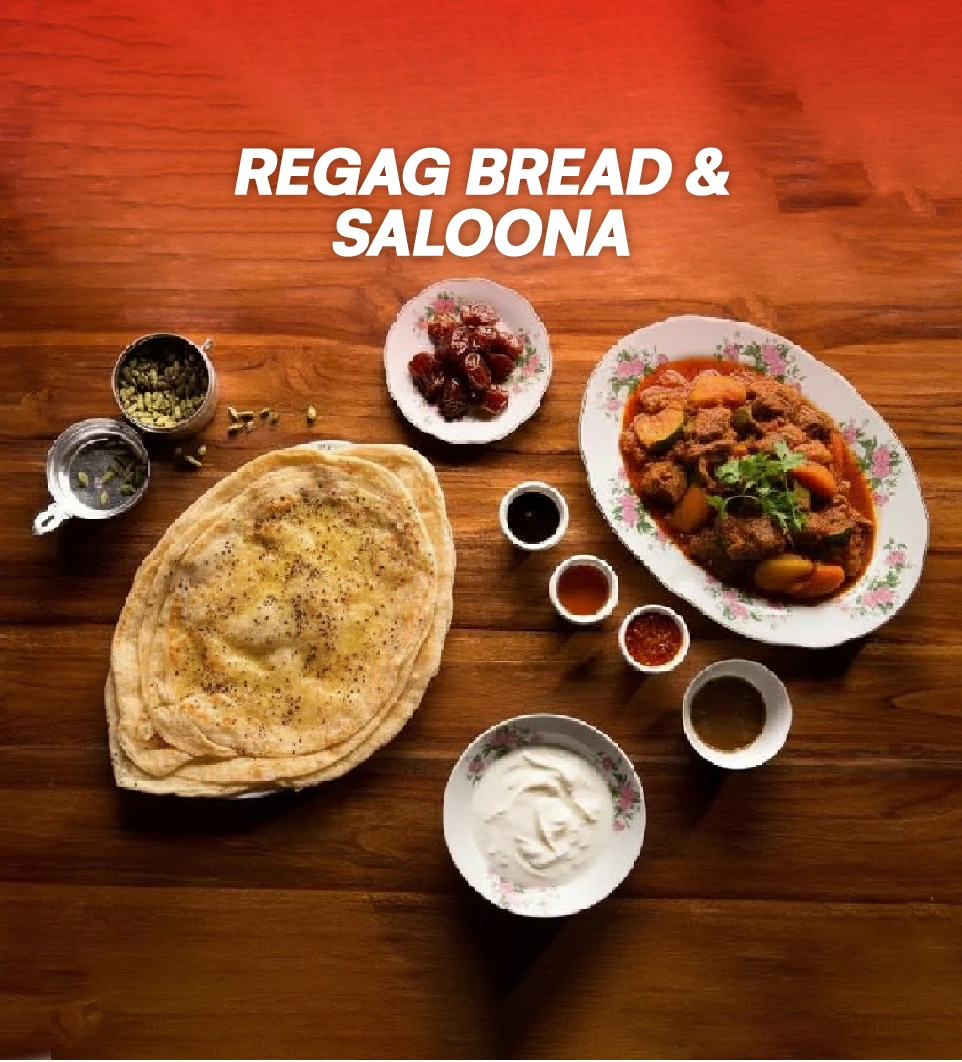
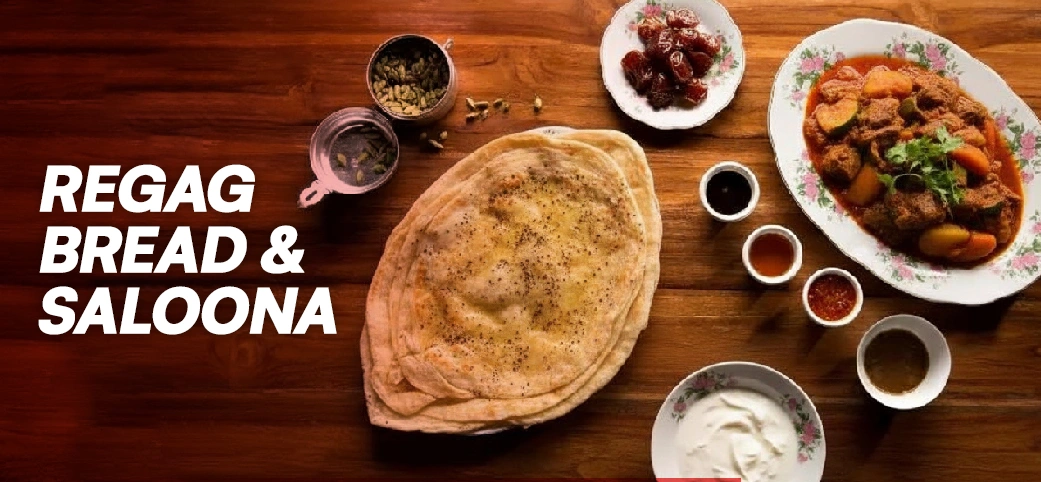
There are few foods that better embody the daily life of the Emirati than Regag and Saloona.
Regag is a very thin bread that is cooked on a hot surface until crisp and golden. It is usually used with stews, curries and soups.
Saloona, on the other hand, is a meat, fish or vegetable tomato stew. The ingredients are cooked down with traditional spices making for a hearty and flavourful meal.
They work well together to give off perfect texture and taste. This blend is always a favorite and is still popular with families in the UAE, who appreciate its warmth and affordability.
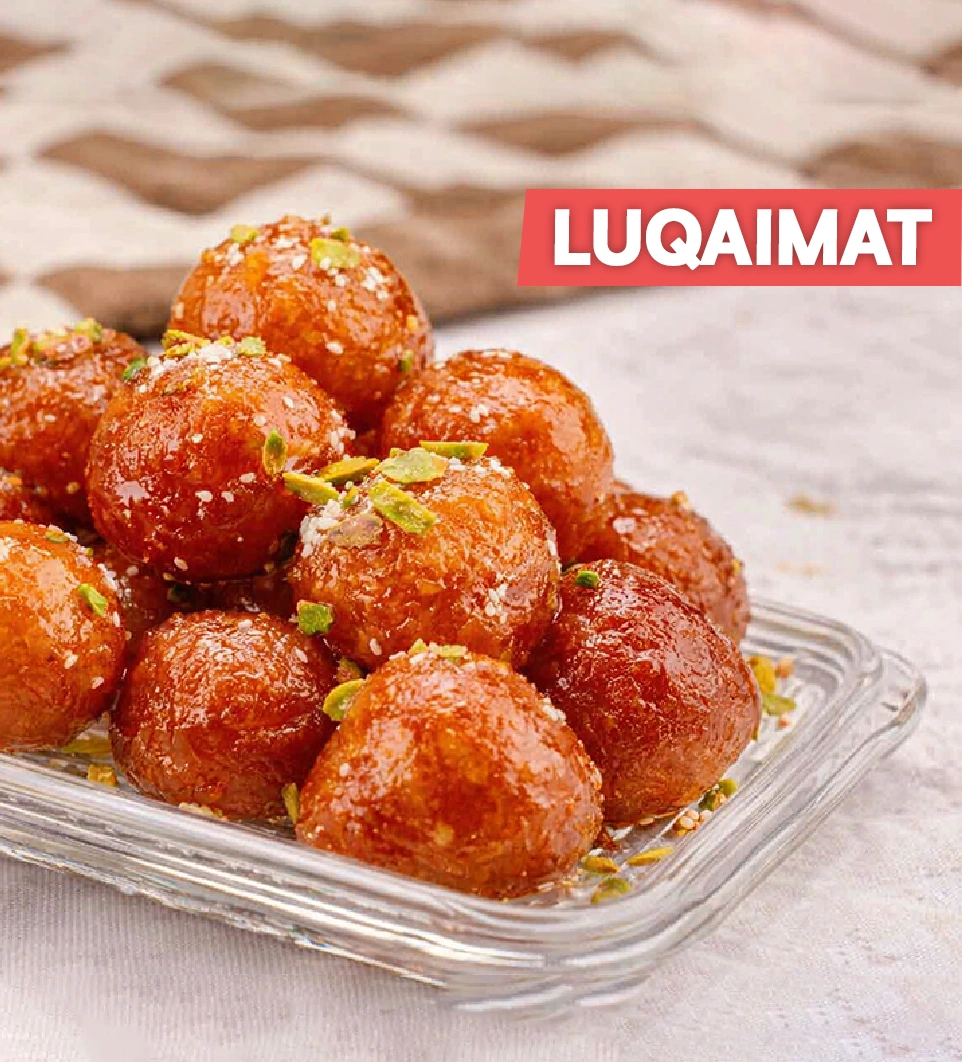
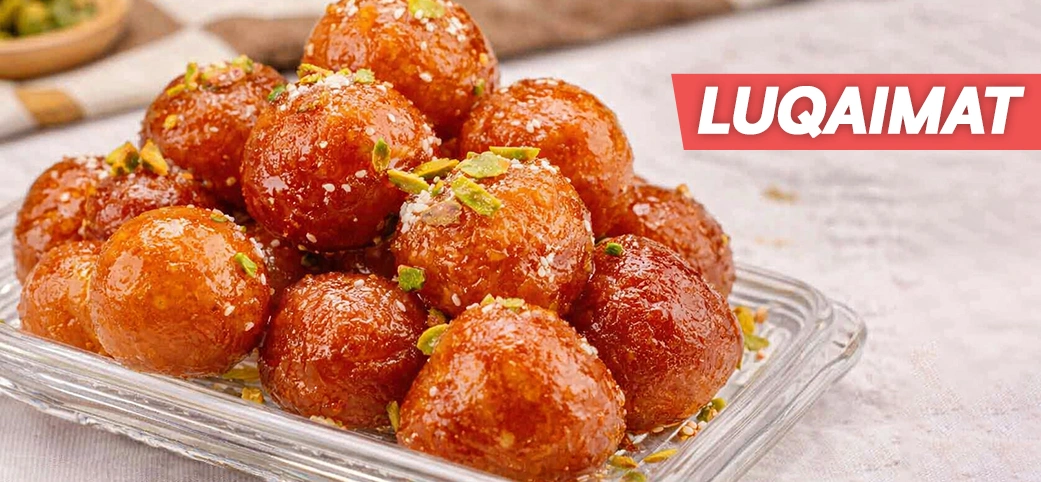
No list of Traditional food of UAE with names would be complete without Luqaimat.
These golden, bite-sized dumplings are crispy on the outside and soft on the inside. After frying, they are drizzled with date syrup and sprinkled with sesame seeds.
Luqaimat is especially popular during Ramadan and festive occasions. The sweet aroma alone is enough to attract a crowd.
Many modern cafés now offer creative versions of Luqaimat with chocolate, pistachio, and caramel toppings, but the traditional recipe remains the favorite among Emiratis.

Among the most loved dishes in the traditional food of UAE, Madrooba holds a special place. The name itself comes from the Arabic word meaning 'beaten' or 'mixed,' which perfectly describes how the dish is prepared. It may look simple at first glance, but every spoonful is packed with flavor, history, and tradition.
The rice is cooked slowly with meat, chicken or salted fish to make Madrooba. The ingredients are then mixed together until they are a smooth and rich consistency.
Many modern Emirati restaurants have featured revamped Madrooba, whilst retaining its heritage. With the 2026 food trends all about coming from the local roots, Madrooba is one of the most significant examples of the traditional food of UAE, which should be experienced at least once.
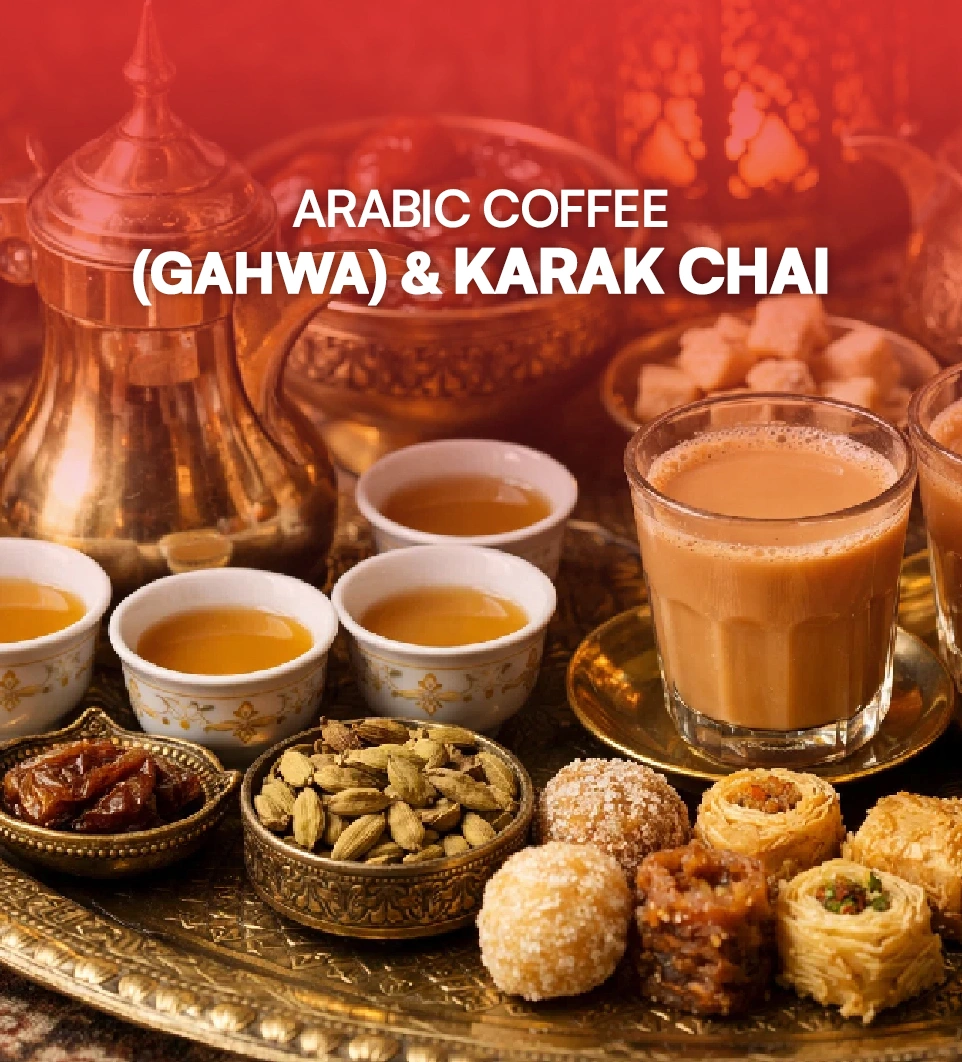
If people ask you what is the traditional food of UAE, it may not always be a dish. In some cases, it's a beverage steeped in centuries of culture and hospitality.
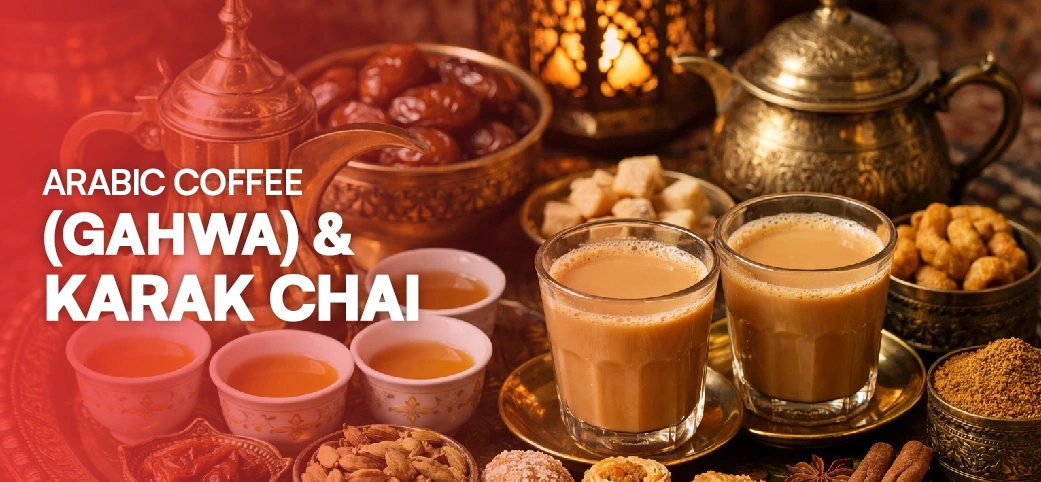
Giving coffee to the locals, in this instance, Arabic coffee (Gahwa) is one of the oldest customs made in Emirati houses. It's more than just a drink. It is a sign of respect, generosity and welcome. You'll find a small cup of Gahwa and dates almost always waiting for you when you visit a family home, go to a business meeting or join a cultural event.
Traditional Gahwa is prepared using lightly roasted coffee beans mixed with cardamom and sometimes saffron. The result is a light, aromatic coffee with a unique flavor that reflects Emirati culture.
In 2026, both Gahwa and Karak continue to play a huge role in social life across the Emirates. They represent connection, conversation, and the warmth that defines Emirati hospitality.
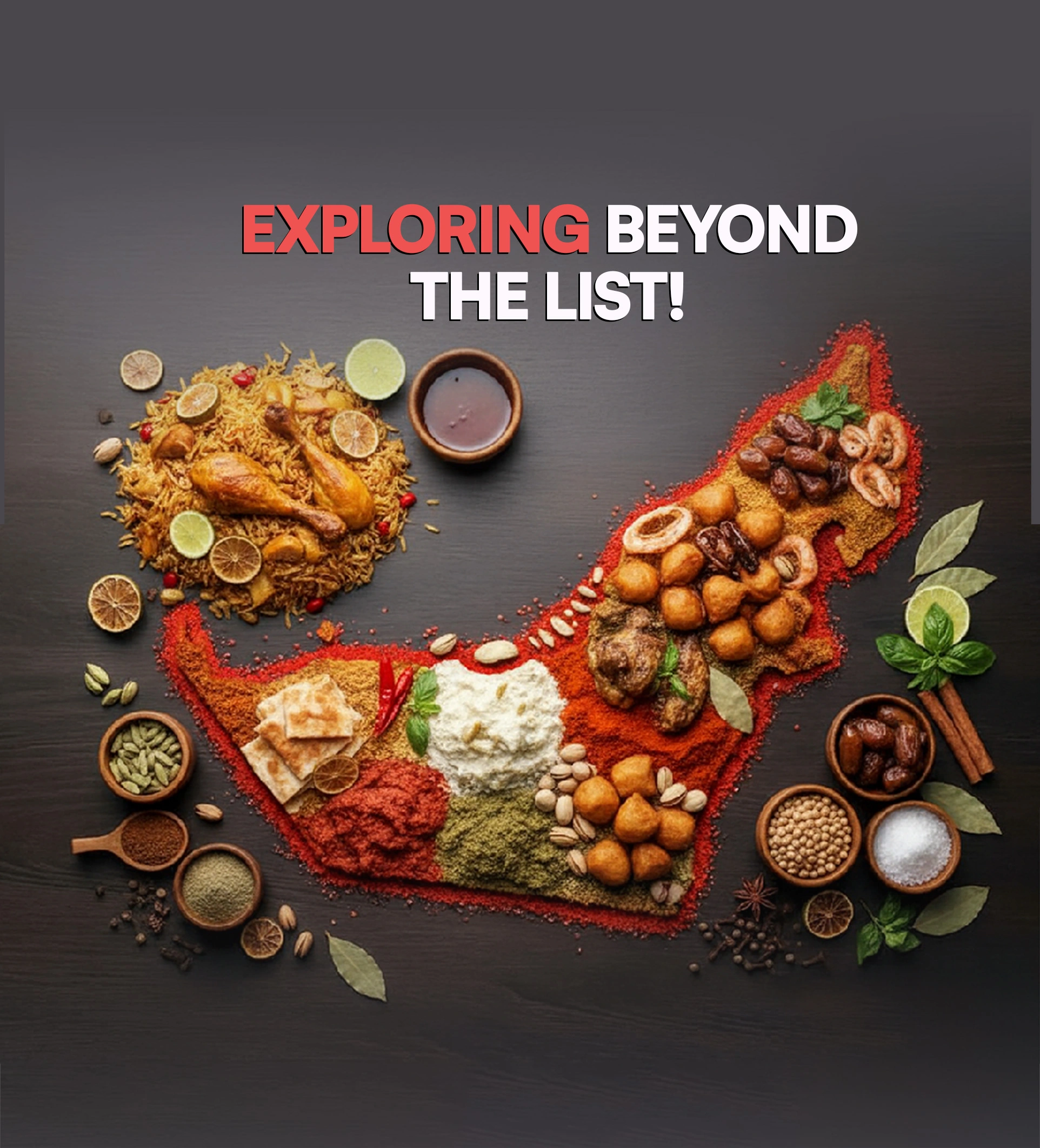
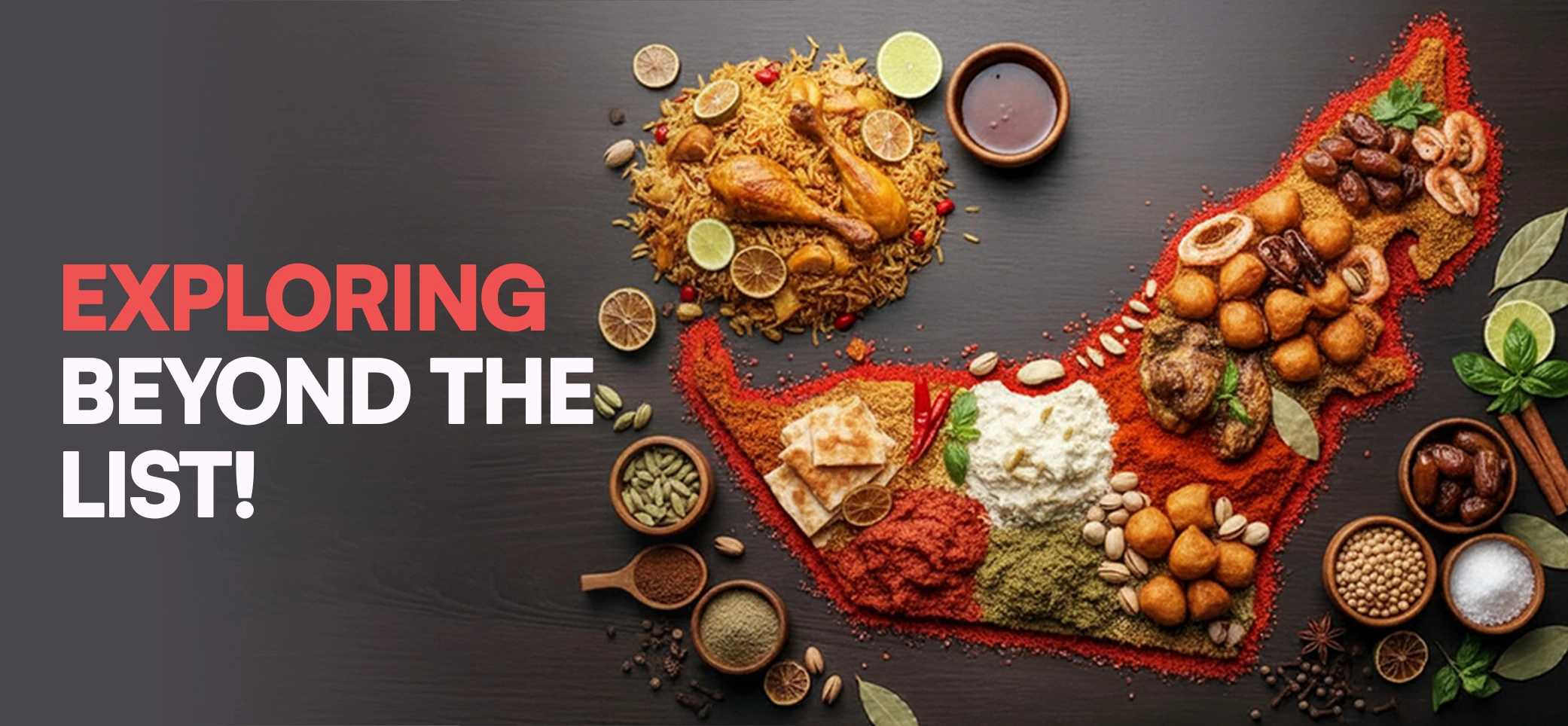
While these ten dishes are among the most famous, they are only the beginning of the story. The world of traditional food of UAE with names is much larger and richer than most visitors expect.
Each Emirate has its own unique specialities, family recipes and local ingredients. Can you tell the difference between a coastal cuisine and a desert cuisine? Don't worry, you don't need to know the exact answer, but you will know what you are reading about. There are a lot of recipes that have been handed down from generation to generation and still haven't changed despite the speedy modernisation of the country.
Exploring older areas such as Al Fahidi, Al Seef, and traditional souks can introduce you to hidden cafés and local eateries serving dishes that many tourists never get to discover. Food markets, cultural festivals, and heritage villages also provide a deeper look into the traditional food of UAE and the stories behind each meal.
If you want to experience authentic Emirati flavors, try looking beyond shopping malls and international restaurant chains.
Many heritage restaurants across Dubai, Abu Dhabi, Sharjah, and Ras Al Khaimah specialize in preserving local recipes. Popular spots such as Al Fanar, Al Khayma Heritage Restaurant, and family-owned Emirati cafés continue to introduce visitors to dishes that have been enjoyed for generations
One of the best ways to understand what is the traditional food of UAE is by talking to the people who prepare it. Restaurant staff and chefs often share stories about family traditions, cooking techniques, and the cultural importance behind each dish.
The traditional food of UAE is more than a collection of recipes. It is a reflection of the country's history, values, and way of life.
Whether it's the flavorful Machboos, the comforting Harees or Madrooba, or the delicious Khuzi, each dish has a story to tell of family, hospitality, and community. As they have for generations, sweet treats and comforting drinks bring people together; Luqaimat and Gahwa.
As cultural tourism and heritage dining continue to grow in 2026, there has never been a better time to explore the traditional food of UAE. Whether you're visiting for the first time or have lived here for years, discovering these dishes offers a deeper appreciation of the Emirates and its people.
So the next time you're choosing where to eat, you'll be tempted to go for the tried and tested, but this time you will try something really local. You might find yourself learning the best about the UAE by sampling its dishes, which have been integral to its culture for centuries.